RAE’S READS

  • Today’s thoughts are all about friendships. They came to me from one of my early mentors, Virginia Kernaghan.
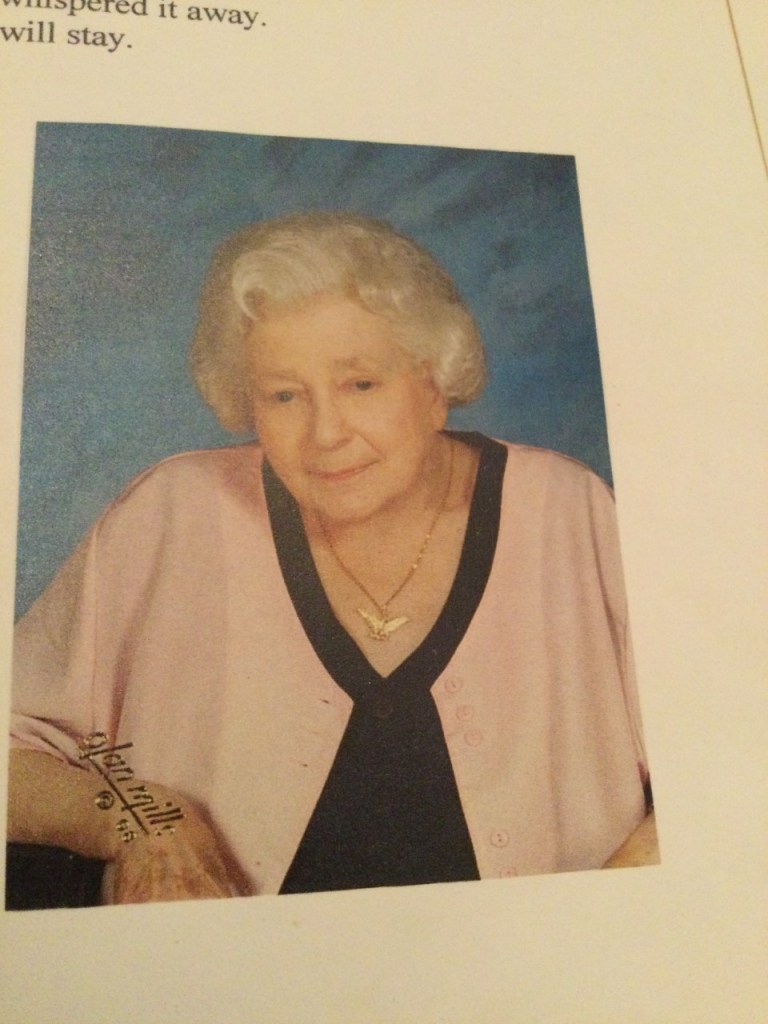
    When I was twenty-five or so, this speech and drama teacher was my mentor.

    Words from Virginia Hollis Kernaghan:

    “Since I have lived in many different places, and taught school for many years, there have been numerous special people in my life, some briefly, some for a lifetime. With the advent of computers and the availability of email, I hear from people who have never picked up a pen to write a letter, but now I hear from them now on email. Many of them still visit me in person, making my life richer because of their friendship. These people I call my angels…

    Not long ago, a former student, Gary Mutchler, sent me the following poem. The author is unknown.

    ‘I wrote your name on a piece of paper, but by accident I threw it away.

    I wrote your name on my hand, but it washed away.

    I wrote your name in the sand, but the waves washed it away.

    I wrote your name in my heart, and forever it will stay.

    I believe in angels,

    The kind that Heaven sends.

    I’m surrounded by angels,

    But I call them my friends.’ “

    Friends are angels; they are the ones who call or text to check on how you’re doing. They are the ones who write on their calendar the date you’ll get test results, then call to see how things came out. They remember that your husband loves liver and onions, but you hate to cook it; then they send a dish of liver and onions when they make it for themselves, along with a portion of chicken and noodles for you. Yippee! I don’t have to cook tonight! Doctors have told us that “connectivity” is very important for Senior Citizens; in fact, for all of us. Friends are what keeps our connections going, and we have to ourselves be a friend; to reach out, to check on someone, to drop by with a “Nothingsday” gift. The old saying goes, “To have a friend, you must be one.” Do something in the name of friendship today.
    Thanks for taking the time to read this.

    RAE
  • Usually posters who do WWW Wednesday answer the questions, What have you finished? What are you reading now, and What will you read next. Instead, I’m only going to deal with the first W–What have you finished?

    A book I shall return to many times in the future.

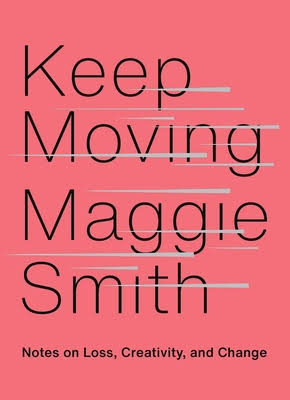
    (Published 2020) I bought my signed copy online through Brazos Bookstore, an independent bookstore in Houston. Moving’s subtitle is “Notes on Loss, Creativity, and Change.” A collection of pithy entries, Smith’s book is a collection of “poetry, proverbs, journaling, lyrical prose, belle lettres, psalms, meditations, and aphorisms.” (Richard Blanco) It is billed as “a book you’ll want to give someone you love.”

    Changed by reading this book (in spurts and in pieces–I often had to put it down and think about it for a while, or a day), it helped me adjust my attitude toward my recovery and life in general. The three divisions of the book are “Revision,” “Resilience,” (I found this section extremely helpful.) and “Transformation.” Throughout the book, the author’s message is loud and clear and is repeated at the end of each “piece”… Whatever is going on in your life,”KEEP MOVING.”

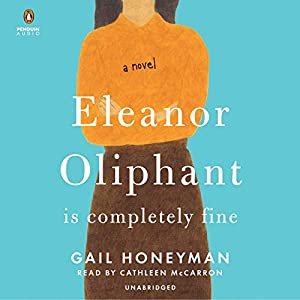
    I also finished the audiobook,

    Eleanor, above all, is a survivor.

    Eleanor is a woman who “lives a carefully time-tabled life,” and “avoids unnecessary human contact.” She lacks social skills altogether and usually says what she thinks. Her deadpan responses tend to make others laugh or gasp with shock. Eleanor meets Raymond, a “bumbling, unkempt” guy from her company, situated on another floor. By happenstance, it is Eleanor who assists Raymond when a stranger (Sammy) has a heart attack on the street in front of them. Later, they meet Sammy’s outgoing family, and begin a plus one relationship with each other at the many events they are invited to. They also begin to lunch together at a nearby cafe–a pair of “odd ducks.”

    Through the changes Eleanor makes in her life because of her friendship with Raymond and her crush on a rock singer, she learns that she is “capable of friendship and [maybe even] love.” The story is as advertised, “smart, warm, and uplifting .

    Thanks for the sign-off, Evin.

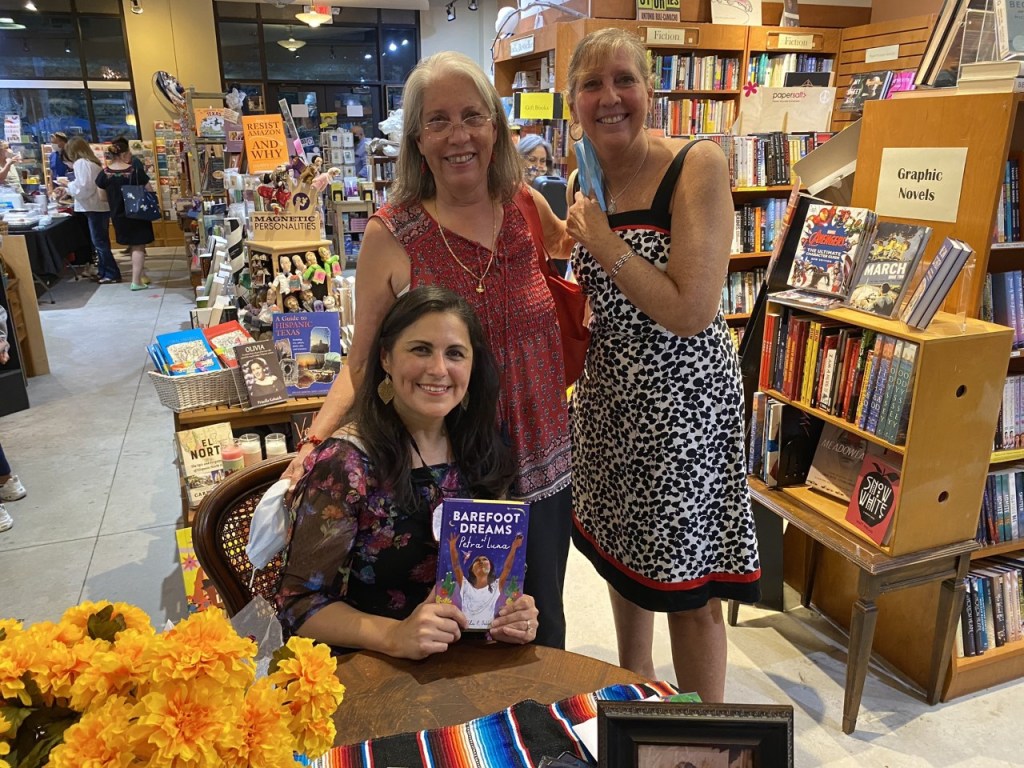
  • My author friend, Alda P. Dobbs, recently emailed me with pictures from her book release in San Antonio.


    Alda (seated) with bookstore women who held a signing and launch for her book, Barefoot Dreams.


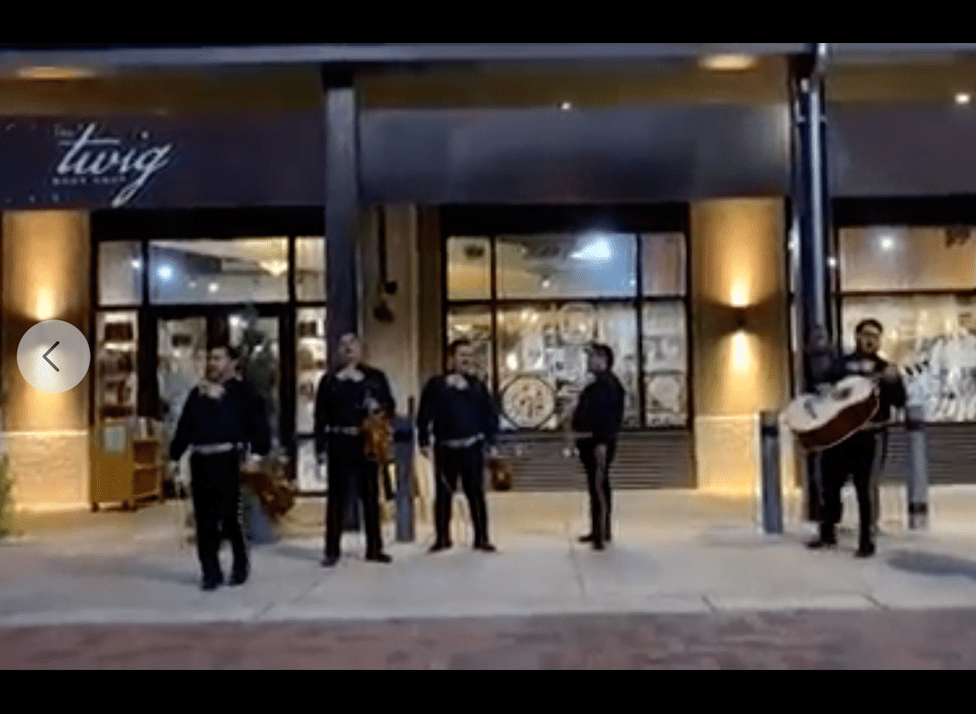
    They even had a Mariachi Band playing outside the bookstore.

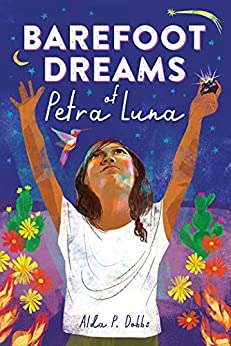
    Here is Alda’s book, which I reviewed this past spring on PWR.

    The historical fiction novel for young people based on Alda’s great-grandmother’s experiences as a teen during the Mexican Revolution

    You can read my review by going to http://powerfulwomenreaders.wordpress. com and using the search box, typing in Barefoot Dreams.

  • Why a Physical Dictionary is better – Rachel del Valle QUOTES FOR WRITERS

    bridget whelan's avatarBRIDGET WHELAN writer

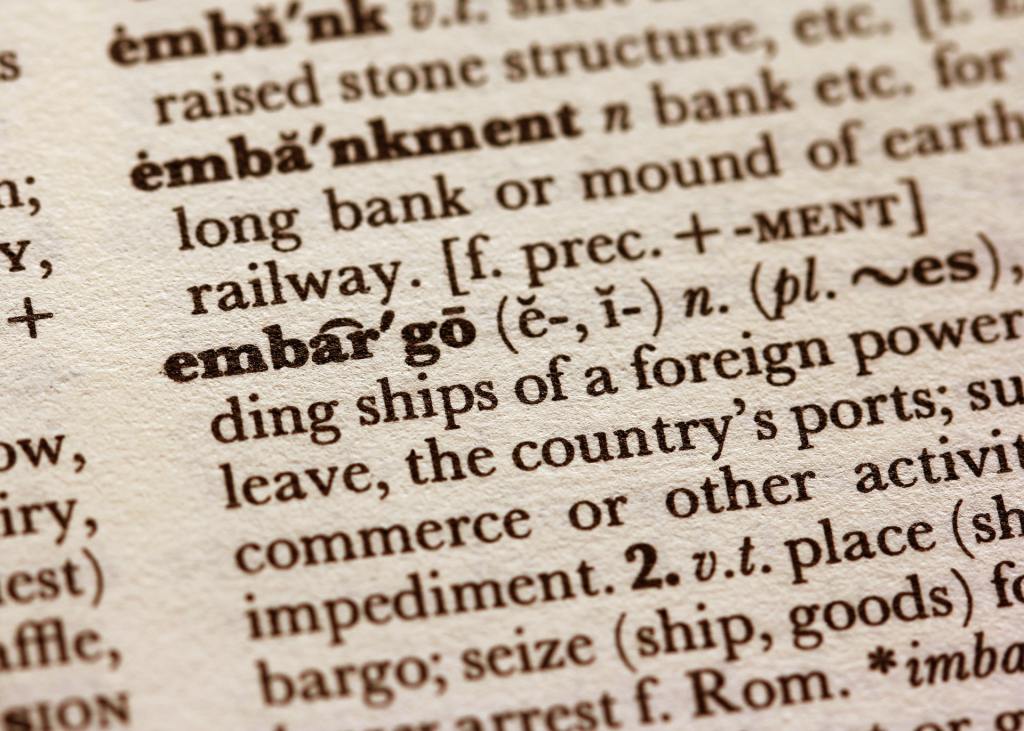
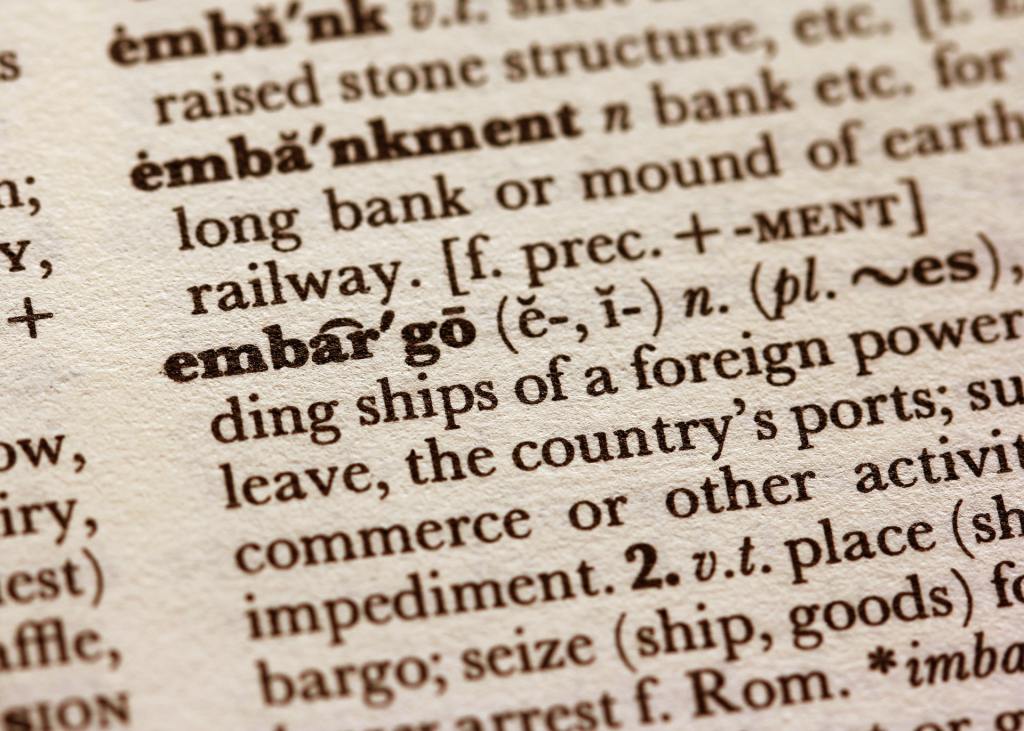
    Wikipedia and Google answer questions with more questions, opening up pages of information you never asked for. But a dictionary builds on common knowledge, using simple words to explain more complex ones. Using one feels like prying open an oyster rather than falling down a rabbit hole. 
    Rachel del Valle writing in the New York Times Magazine

    Photo credit: Sandy Millar on Unsplash

    View original post


  • TODAY’S SMFK WILL FEATURE NOVELS IN VERSE FOR MIDDLE GRADES
    Here are two books I finished this week.

    I HAVE BEEN READING NOVELS IN VERSE AS A CYBILS PANELIST IN THE POETRY CATEGORY.
    So far I have read four novels in verse.
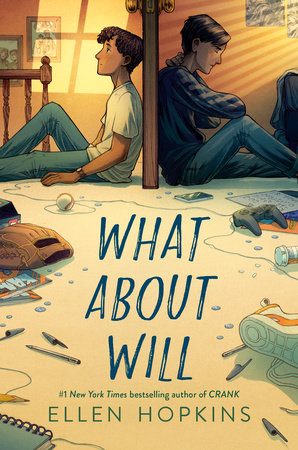
    This is a nominated Cybils contender I really enjoyed.

    Hopkins tells the story from Will’s younger brother’s point of view. When a tragic accident happens to Will, his younger brother is witness to personality changes his parents are unaware of. Whenever family plans are made, it is Trace who always asks, “What About Will?”

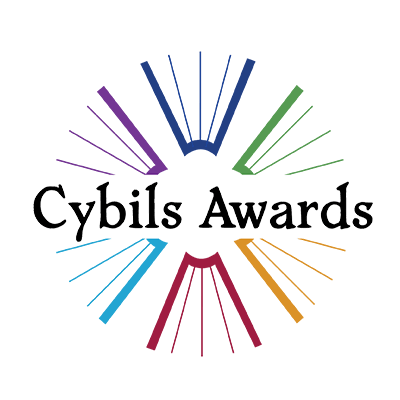
    Another novel in verse I finished is one by doctor/author Rajani La Rocca. She uses the metaphor of red cells, white cells, and whole blood to tell the story of Reha who feels torn between her private school community on weekdays and her family and relatives on weekends.

    Indian students and kids will find someone who “looks like them” as the hero of this novel in verse.

    Both of these books were nominated for the Cybils Award in poetry, and were a delight to read. I highly recommend both of them for kids in grades 6-high school.

  • prayfavor

    Annette Rochelle Aben's avatarAnnette Rochelle Aben

    Counting blessings does work

    To lift you from your pain

    To clear away the rain

    And help you rise

    ©2021 Annette Rochelle Aben

    View original post

  • Copy the first line or two from your current read to generate interest in the book you are reading.

    Today’s (October 8th) Friday First Liner is from a novel in poetry form I am reading for Cybils.

    It is from Ellen Hopkins’ What About Will. Having written fourteen best-selling YA novels, this novel in poetry form is aimed at middle grade (grades 5-8) readers. Here is the beginning of the first poem:

    “My Big Brother”

    “Always/had a /short /fuse/but now/it’s permanently lit.”

    The novel tells the story from the perspective of Trace, Will’s younger, middle-school-aged brother, who after Will’s “incident” finds his world turned upside down. This will be one of many poetry/novels I will read for the Cybils Awards as a panelist in poetry.

  • BOOKS ARE DANGEROUS THINGS. THEY HAVE THE POWER TO CHANGE US. (paraphrase)

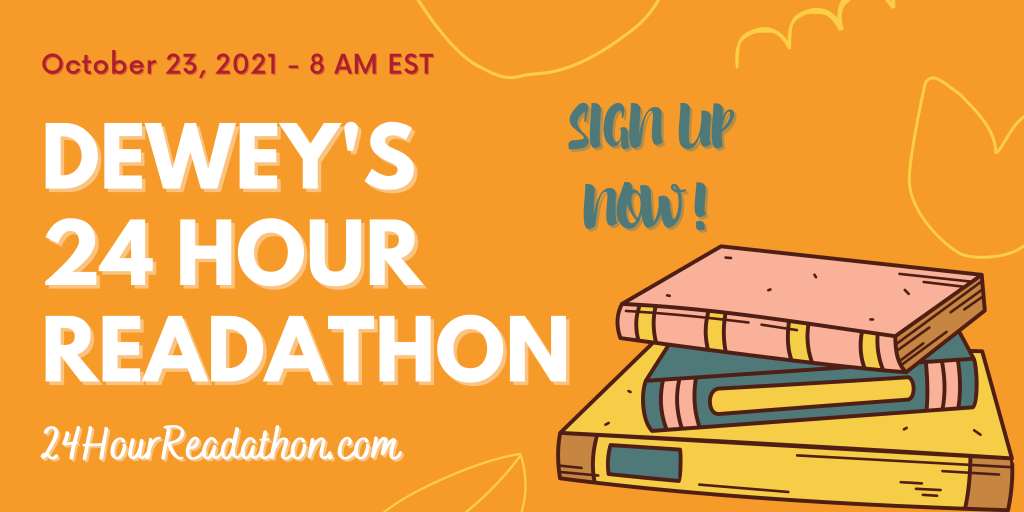
    National Book Month was established to “focus on the importance of reading, writing, and literature.” October became a time to read. Dewey’s 24 hour Readathon has one of its sessions set in October.

    October 23 is the BIG day!

    Here are some ways to celebrate during October:

    Start a new book. Begin a book that you have heard of, have read a review of, or have seen displayed at your local library.

    Share an old book. Give a copy of a book you enjoyed to a friend or leave it in a public place for an unknown recipient to discover. Half Price Books or the online Thrift Books have reasonably priced copies.

    Post on Social Media. Let friends, followers, and the general public know you are a reader. Find a meme on Pinterest or Google and post it on your Facebook or other page. Make up your own and post it.

    Books are good friends.

    October is the perfect month to join a book group. Ask at your local library.

    Our Third Tuesday Book Club was established ten years ago at the Alvin Public Library.

    DO SOMETHING TO CELEBRATE BOOKS AND READING THIS MONTH!

    How high is your TBR (To Be Read) pile?

    HAPPY READING THIS OCTOBER.

    Thanks, Evin, for the sign off.

  • More poetry in 2021

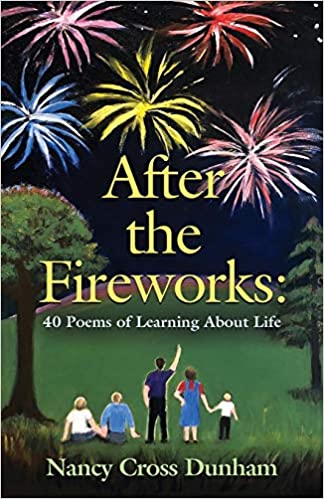
    It has been a long time since I read a collection of poems–not a good thing since reading more poetry was one of my 2021 Reading Goals. However, recently I received from a free source a collection of poems, billed as “40 Poems of Learning About Life.”

    The author examines what she has learned about life along the way of her journey through it.

    This interesting collection of poems begins in Dunham’s “comforts and questions of childhood.” Perhaps the most interesting and most well-known and well-received in this section is “My Mother, Turning Heads,” a child’s response to her mother’s attractiveness to others. The poems continue through the “yearnings, uncertainties, and every day joys of young adulthood,” perhaps my favorite group of poems. A few poems near the end deal with the complexities of middle age and aging, also an important part of the collection. All of the poems deal with “forgiveness, heartbreak, and joy,” universal themes that appeal to all readers. The author’s “take” on these themes is unique and original. I was particularly intrigued by the “Invisible Girl,” who shows up in an early poem and later makes a repeat appearance.

    THE ARRIVAL OF THE INVISIBLE GIRL

    Curled up in bed

    in the dark of the room,

    a heavy gray

    weight, the

    woolen blanket

    pulled up to her chin.

    From the kitchen

    the nightly discord.

    Through the window

    a street light glows.

    The invisible girl

    arrives,

    wordlessly offers

    to become a friend

    …for life.

    I like the think of the Invisible Girl as the author’s Authentic Self arriving as the young girl lies daydreaming in her comfortable bed. Hopefully, Dunham has stayed true to their friendship and celebrates her inner self, The Invisible Girl daily as an adult. I must confess I did not fully understand the Invisible Girl’s reappearance when the author is an adult. The Invisible Girl returns in “…another’s stone-faced stare.” Perhaps I have totally misinterpreted the entire concept of the poems. I would love to ask the author what she intended in introducing The Invisible Girl.

    Poetry has many meanings for many different people. Sometimes we find in poems things the poet never intended to be there.

    Pretty soon I will start reading some of the Cybils nominations for children’s and YA poetry. (I already have some books from the library.)

    I will be a first round reader in the areas of children’s and YA poetry.

    This will definitely accomplish reading more poetry in 2021.