
Usually blogging friends do WWW Wednesdays, answering What have you finished? What are you currently reading? and What will you read next? Instead, I’m only going to answer one “W,” What have you finished?
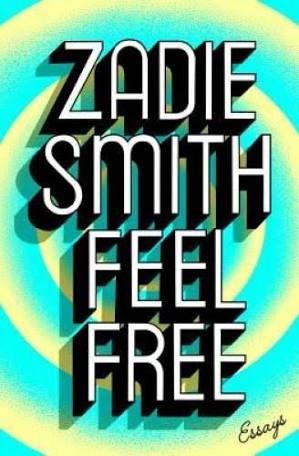
Zadie Smith is an established writer whom I’ve read in The New Yorker and in more than one novel. These essays showcase her literary journalism skills. It is the author “thinking aloud.” (from the Foreward). Smith includes thoughts on recent events, politics, and current culture.
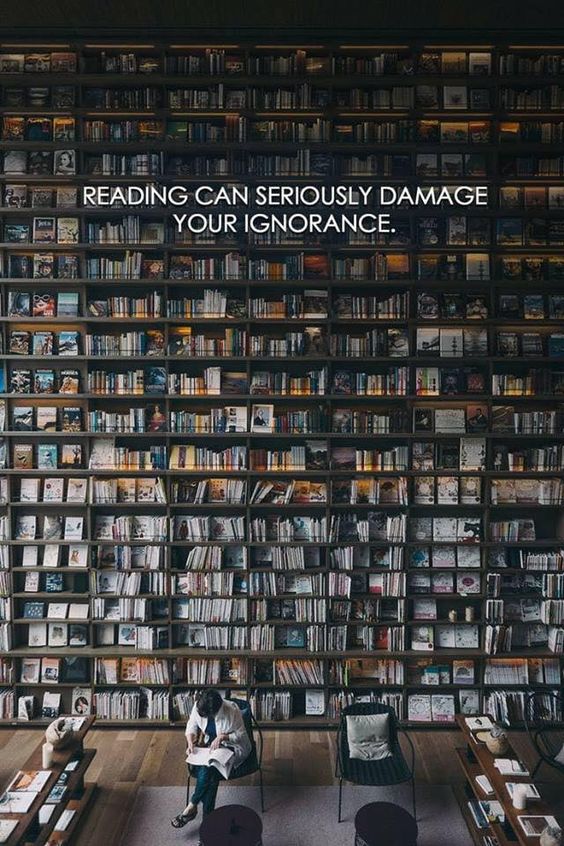
“Why Do We Love Libraries?” is an essay that appeals to bibliophiles everywhere. “Elegy for a Country’s Seasons” deals with climate change in a timely manner, as the author discusses the “new normal.” She points out our responsibility as we will be held accountable by our grandchildren either for our part in it or for doing nothing. Many of the essays “spoke” directly to me, and all were very readable.
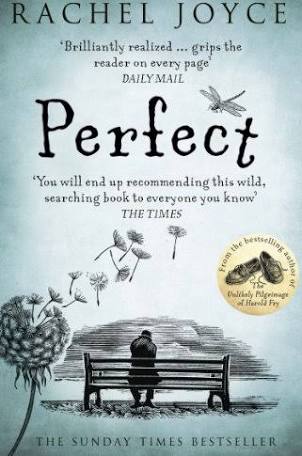
This novel employs alternating chapters that come together with a twist at the end, one of my favorite techniques to follow. I was literally unable to put it down. Joyce, as usual, has “bewitching characters” the reader comes to care about. Anyone who does not have empathy for Byron and Jim has a heart of stone. Love, forgiveness and redemption are all themes dealt with by Joyce as she spins two tales that seem totally unrelated to each other–until the very end.
The opening would make a good Tuesday Teaser:
“In 1972, two seconds were added to time. Britain agreed to join the Common Market, and ‘Beg, Steal, or Borrow’ by the New Seekers was the entry for Eurovision. Two seconds were added because it was leap year and time was out of joint with the measurement of the Earth.”
Writing like the above makes this novel a page-turner and a “darned good read.”
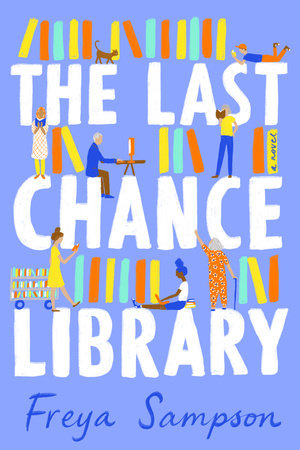
I also love debut novels. My theory goes along with the old adage that, Everyone has a novel in them. In other words, that novel fighting to get out at the very beginning is often the best novel an author ever writes. Themes of love, grief, and the connectedness of community are present from the very beginning. In the story, the small-town library is the heart of the community, and when it is threatened with closure, the eccentric library patrons vow not to take it lightly.
June Jones, the assistant librarian and the protagonist, is as plain and shy as her name connotes. Alex, an old school friend, plays the love interest. June overhears what she believes is a plot by self-interested businessmen, one of whom is on the city council, to sell the library to a coffee franchise, netting themselves a tidy profit if the council closes the library. June, always too shy to speak up, and threatened with losing her job, must gather the courage to take a stand on something for the first time in her twenty-eight years.
The book has been described by critics as “delightful, uplifting, and sublime”. It is totally irresistible to readers who love books, librarians and libraries. Last Chance Library is “an inspiring call to muster our courage and fight for the things that matter.”


 powerfulwomenreaders
Leave a comment