
Not too long ago, My Better Half and I read Abrams’ The The Book of Joy as the selection for a book club he had joined. To me, it was ok, but only ok. For some reason, I had my own ideas about joy already.
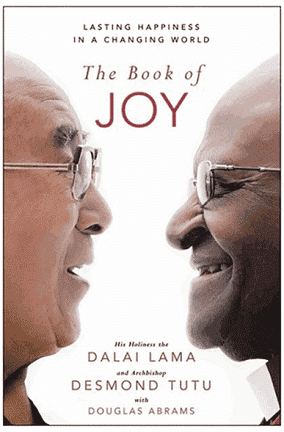
Fast-forward to 2022. I read in a magazine a short ad for Jane Goodall’s The Book of Hope, written by the same author. In it, as in his book with The Dali Lama and Tutu, the author used the interview as his main tool.
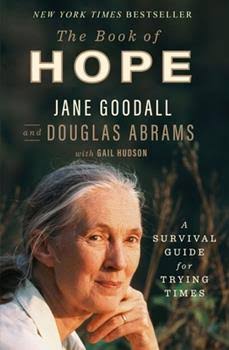
Although it was written in 2021, I finally got around to reading it in this month, as part of my attempt to read 22 non-fiction books in 2022. Goodall’s subtitle, “A Survival Guide for Trying Times,” couldn’t be more revenant than today. I only knew Jane Goodall as the “Chimp Lady” who studied chimpanzees to learn more about human behavior. This exceptional woman, as important to ecology as Rachel Carson and her Silent Spring, offers HOPE to her readers, as well as sounding the alarm, as did Carson. Her forward to this outstanding book moved me, as did the photos of those who developed hope in extraordinary times of stress, calamity, and unrest. She has been the first of her sex to do so many thins such as go into the jungles of the Congo accompanied only by a photographer to study its wildlife in their natural habitat.
Goodall is officially the UN Messenger of Peace, and in forming her educational groups called “Roots and Shoots” of young people around the world, she has brought Hope to many third-world nations. She has taken positive action to cause hope for peace to come.
The most important takeaways from the book are Jane’s Four Reasons for Having Hope: The amazing human intellect, The reliance of nature, The power of young people, and The indomitable Human Spirit. Abrams uses these four reasons as the organization of the book. The personality and integrity of Goodall, herself, shines through like a beacon of hope for the book’s readers.


 powerfulwomenreaders
Leave a reply to Rae Longest Cancel reply